Pillar
Exercise
Progressive resistance and aerobic training improve insulin sensitivity, body composition, and cardiometabolic fitness.

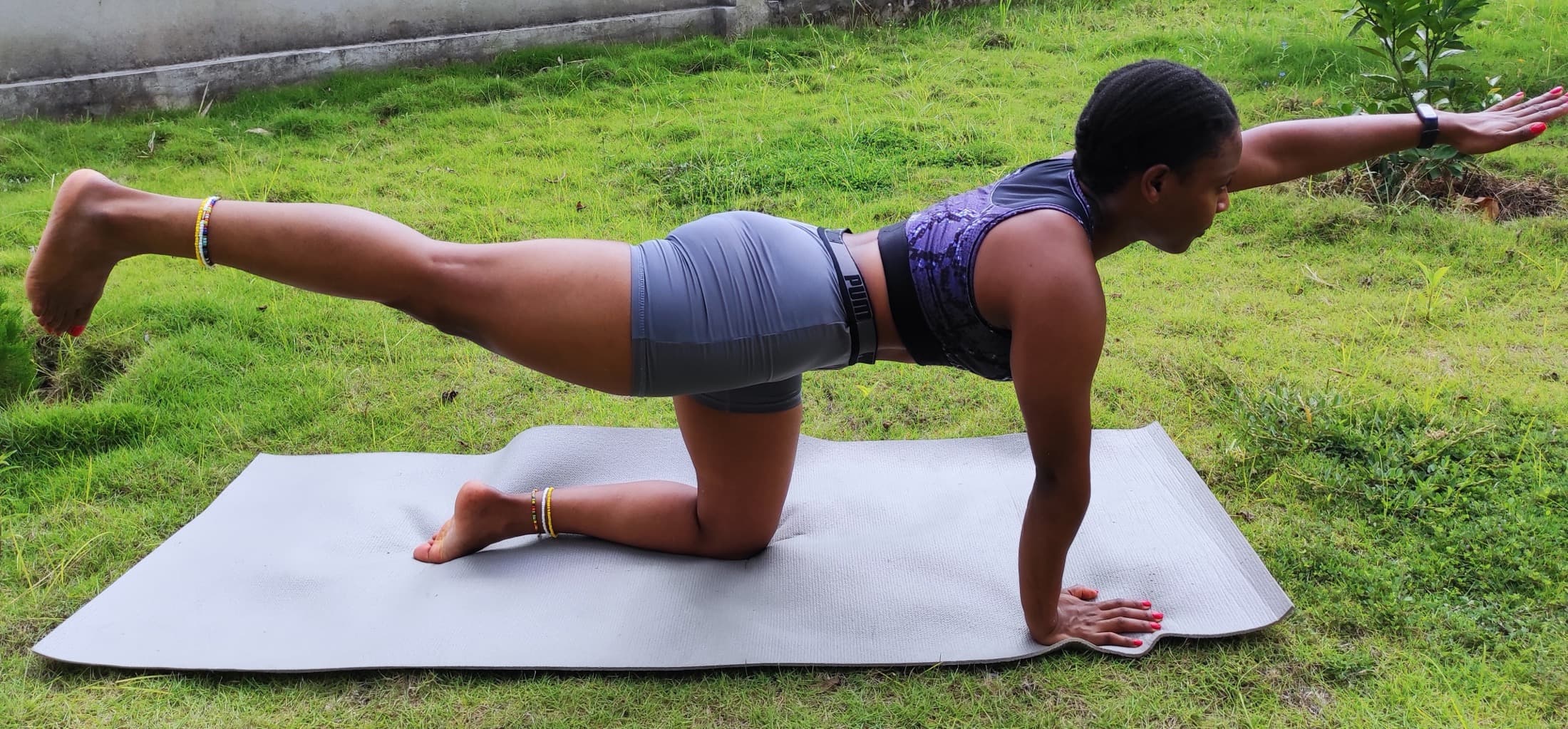



Why exercise matters
Exercise improves glucose uptake, preserves lean mass during weight loss, supports blood pressure control, and improves long-term function.
Weekly framework
- Aerobic: 150+ minutes per week, broken into manageable sessions.
- Resistance: 2 to 3 sessions per week targeting major muscle groups.
- Daily movement: reduce long uninterrupted sitting periods.
Progression strategy
Start below your maximum and add volume or intensity gradually each week. Sustainable progression is safer and more effective than aggressive starts.
Common barriers
Pain, schedule constraints, and fear of injury are solvable with individualized progression and realistic minimum targets.
References
- Physical Activity and Incident Type 2 Diabetes (JAMA Network Open (2022)) Link
- ACSM Guidelines for Exercise Testing and Prescription (American College of Sports Medicine) Link
- Resistance Training in Adults with Type 2 Diabetes (Diabetologia (2017)) Link
- WHO Physical Activity Guidelines (World Health Organization) Link