
Pillar
Therapeutic Carbohydrate Restriction (TCR)
Lower-glycemic nutrition can improve glycemic control, triglycerides, and satiety in insulin-resistant patients.
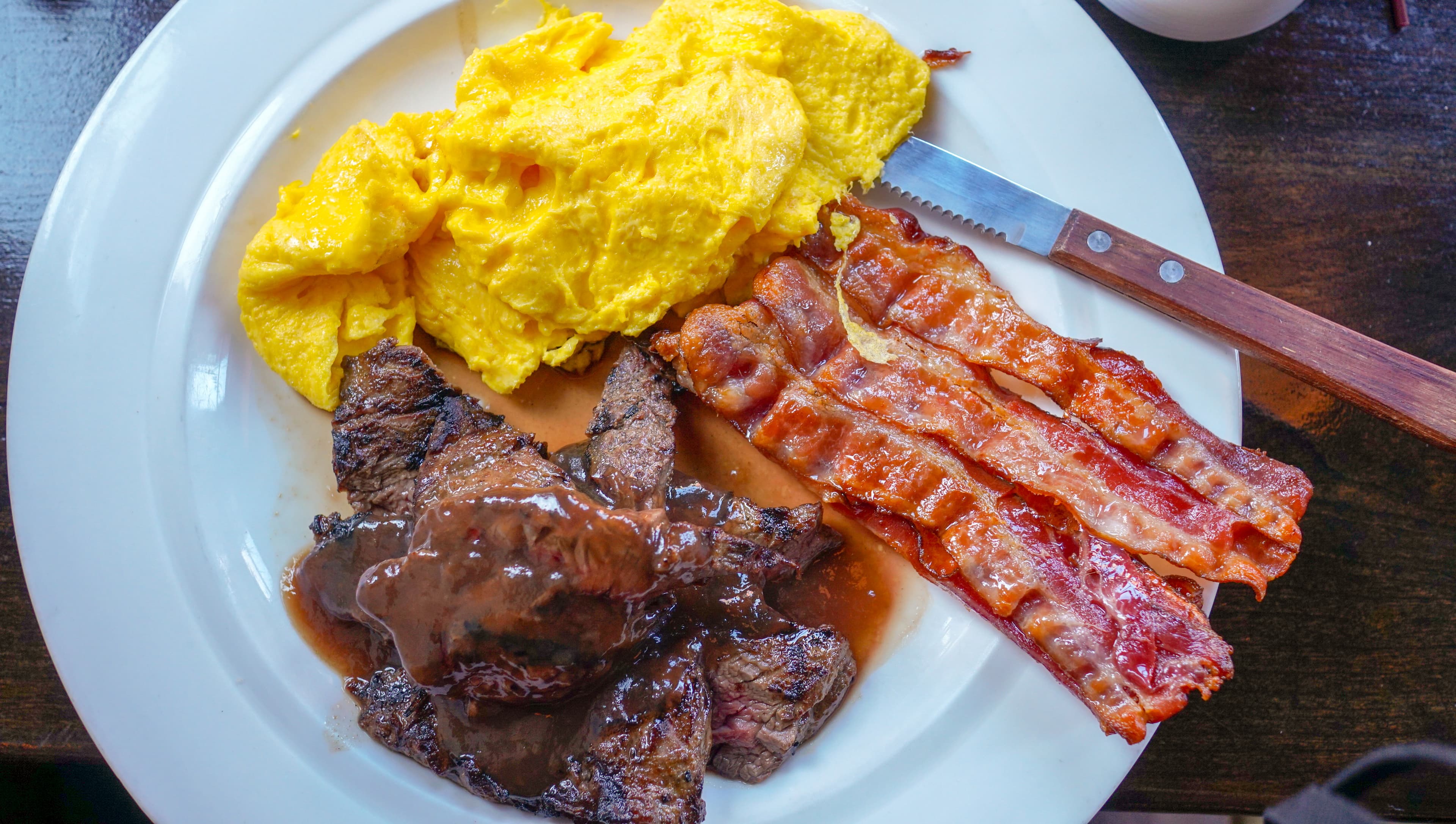



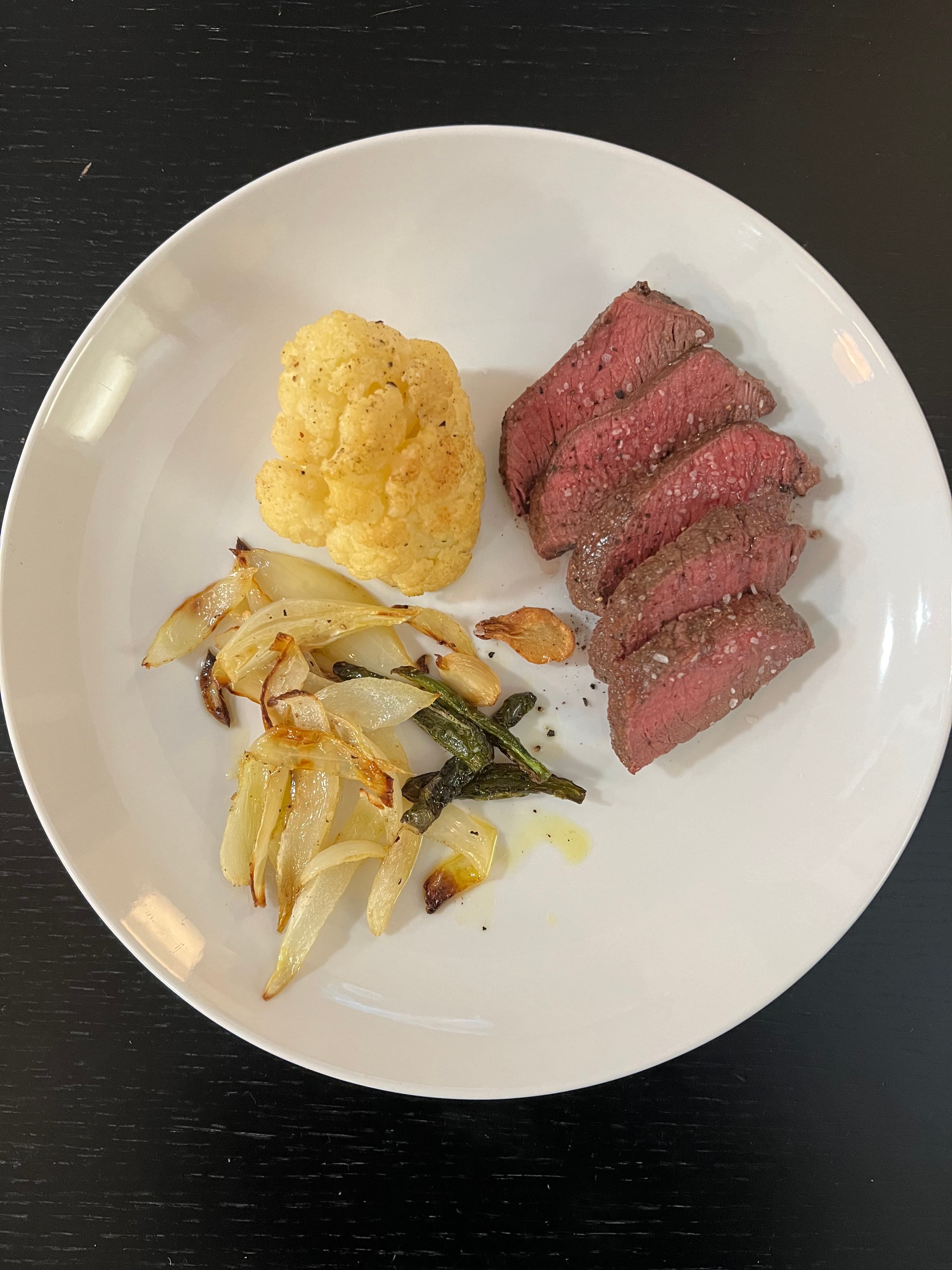
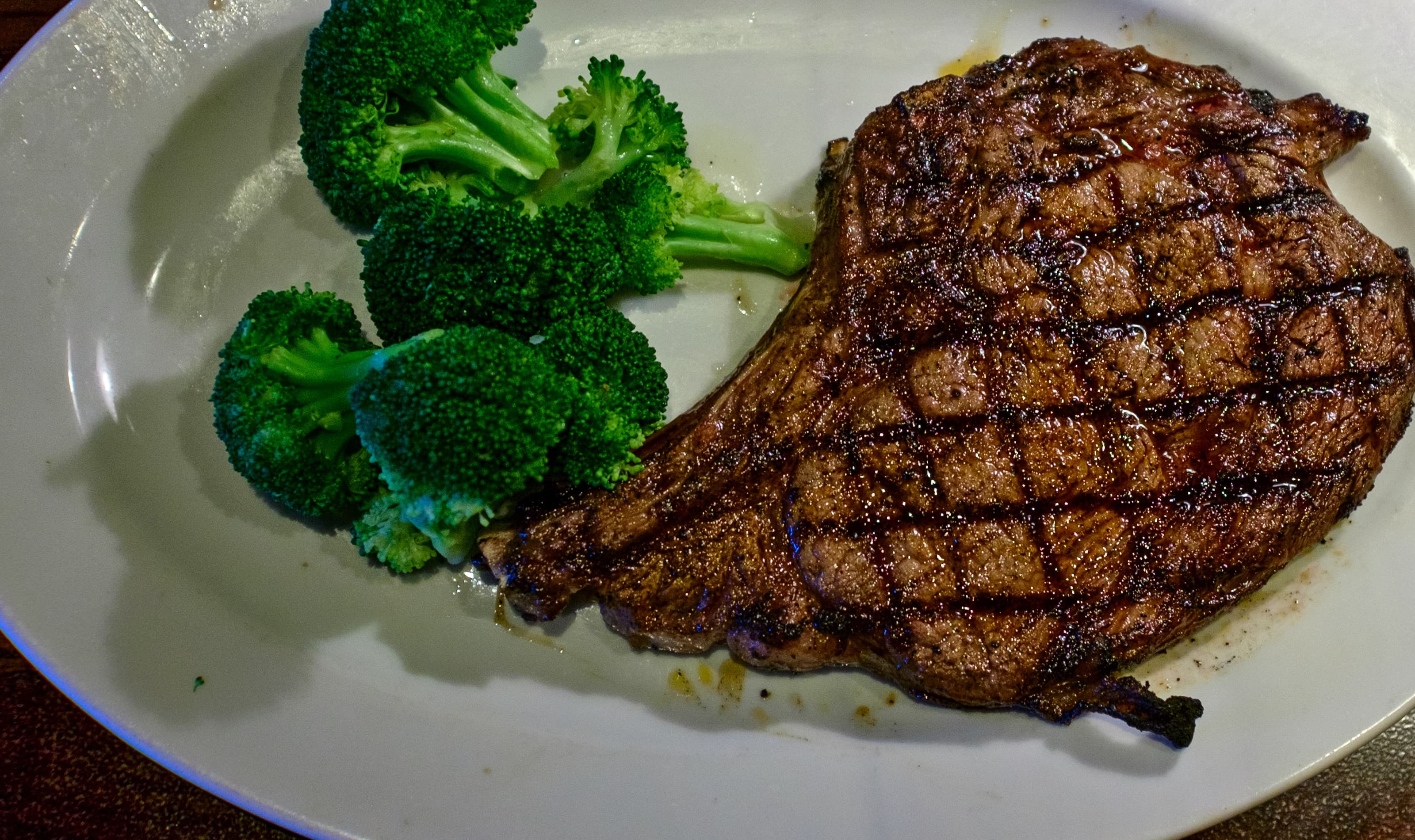


Why carbohydrate quality and quantity matter
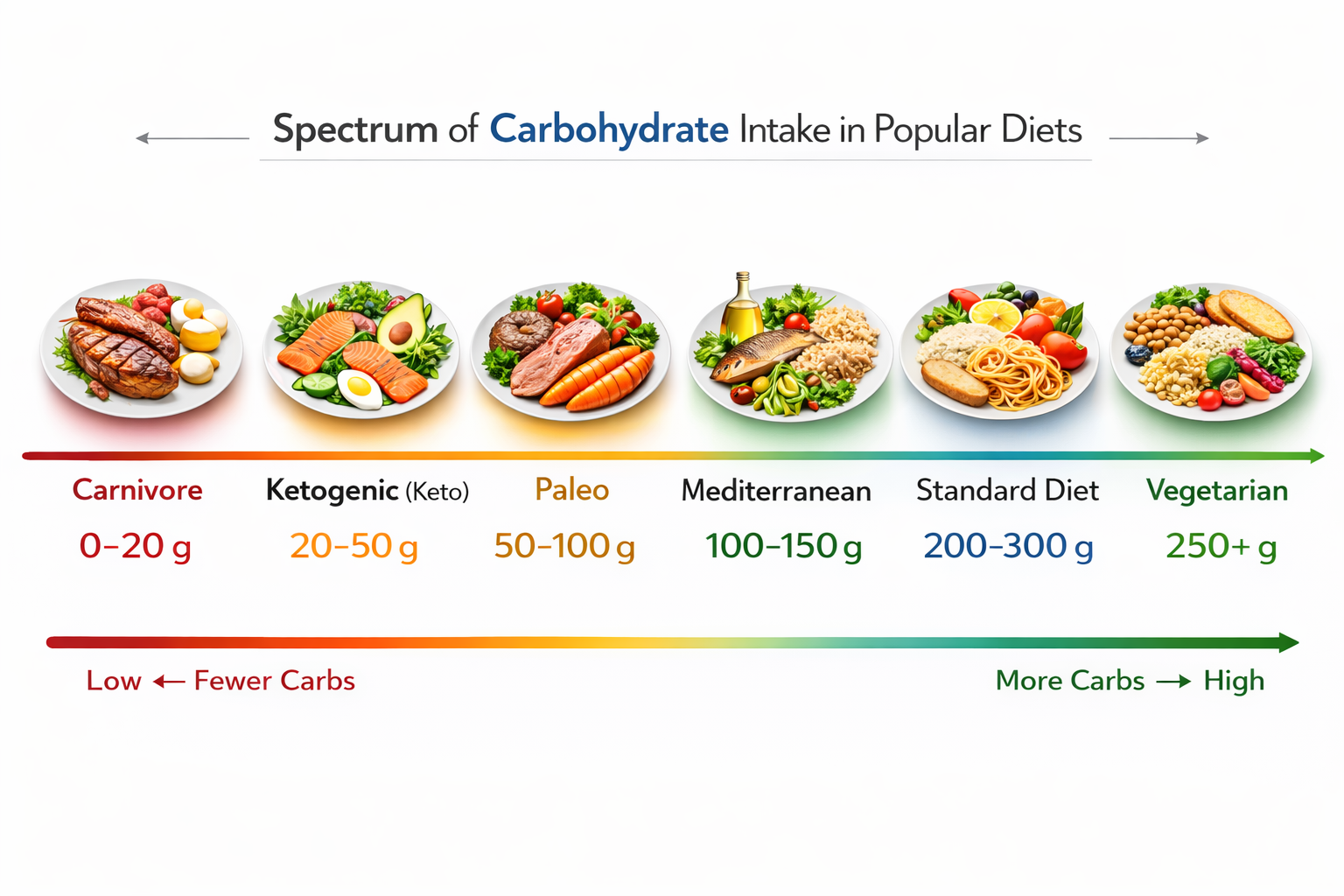
Refined carbohydrate load drives post-meal glucose spikes in many patients with insulin resistance. Therapeutic carb restriction lowers glycemic burden while emphasizing nutrient-dense foods.
Downstream conditions
Obesity and insulin resistance
Many chronic conditions cluster around the same upstream metabolic load. Click any condition to open its simple-language resource page.
Practical template
Three-Step Meal Decision Algorithm
Step 1: Pick a protein first
Example options: Eggs, fish, chicken, lean beef, tofu, Greek yogurt, or cottage cheese.
↓ Then move to Step 2
Step 2: Add non-starchy vegetables and a side
Example options: Leafy salad, broccoli, cauliflower rice, zucchini, peppers, cucumber, avocado, olives, or nuts.
↓ Then move to Step 3
Step 3: Pick a low-carbohydrate drink and dessert
Example options: Water or sparkling water, unsweetened tea or coffee, berries with plain yogurt, sugar-free gelatin, or a small square of dark chocolate.
Sugar infographics
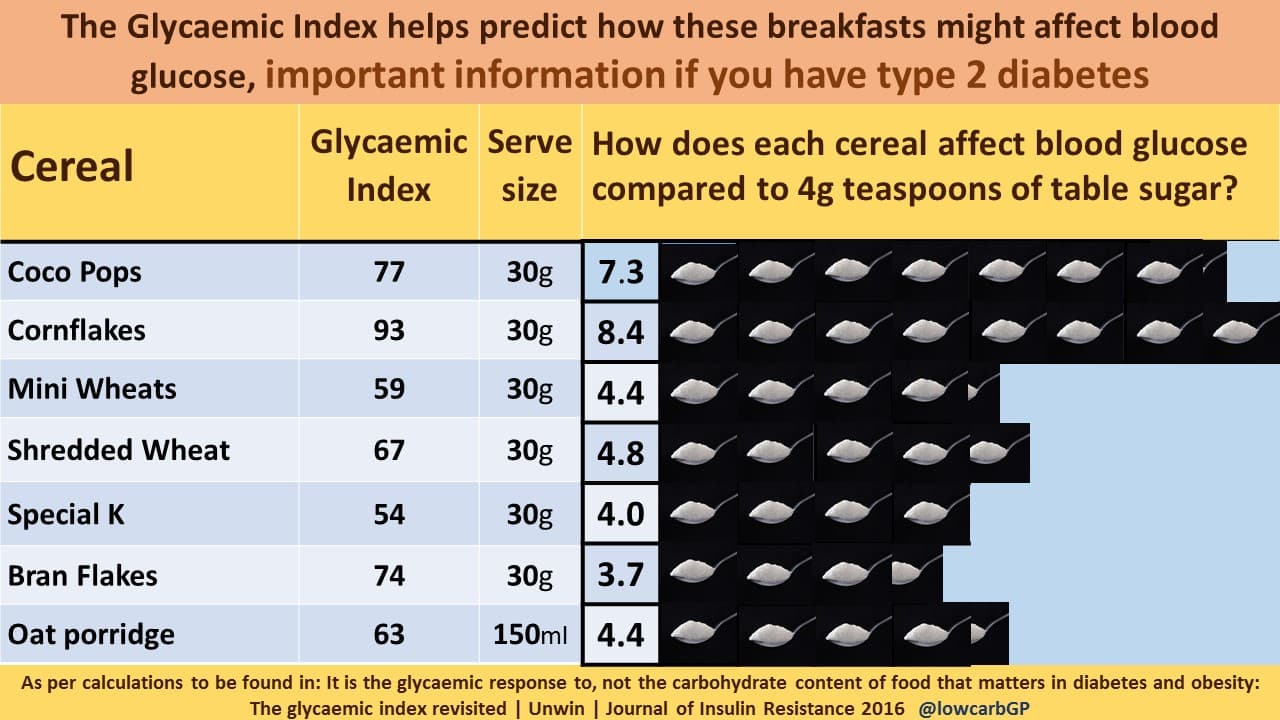
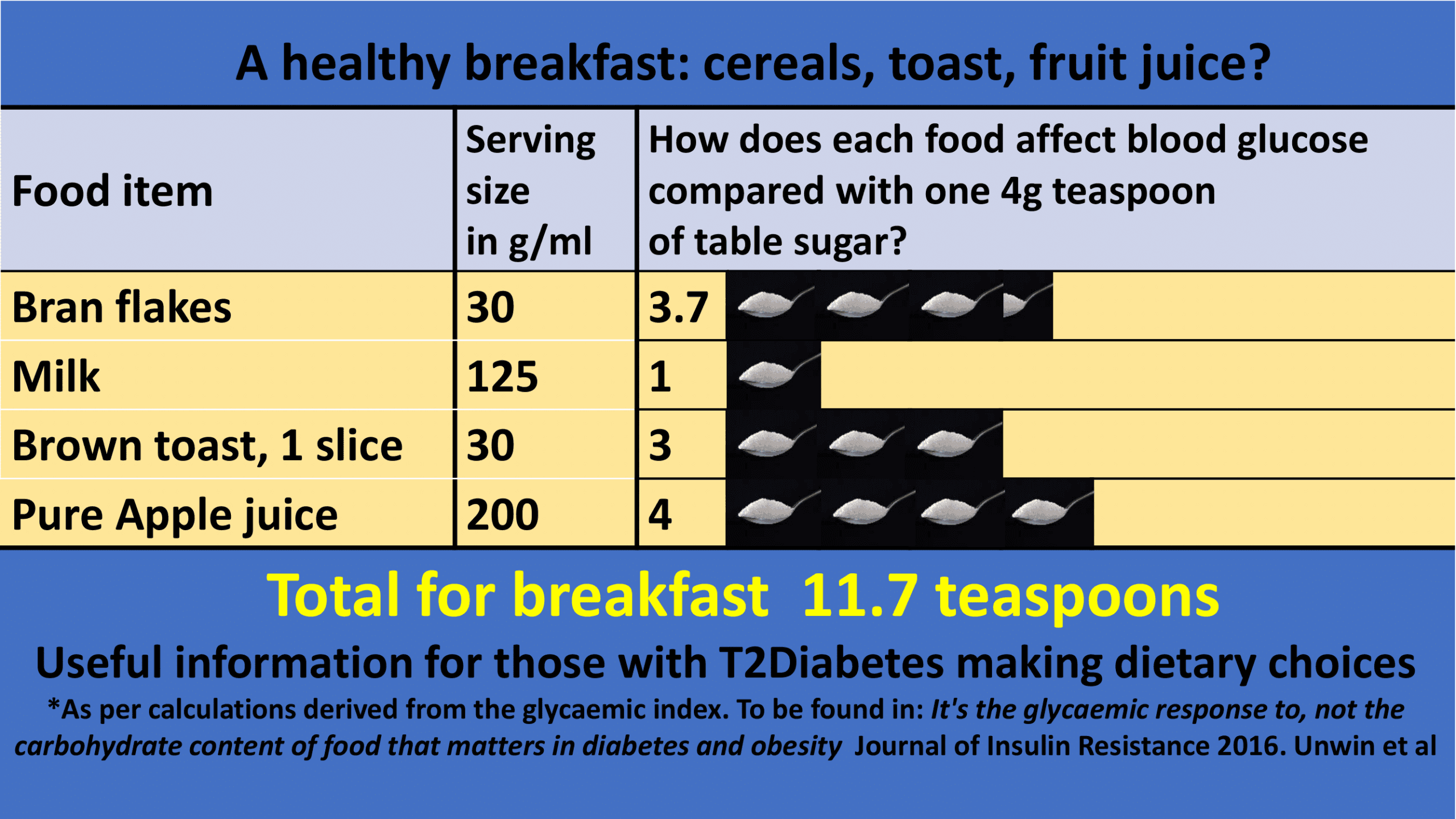
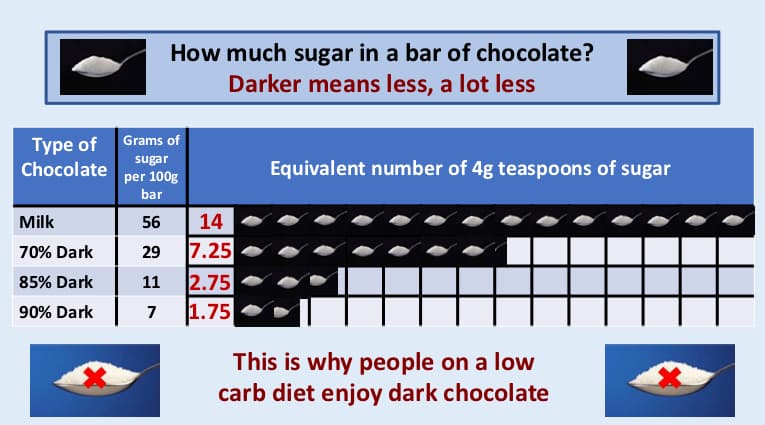
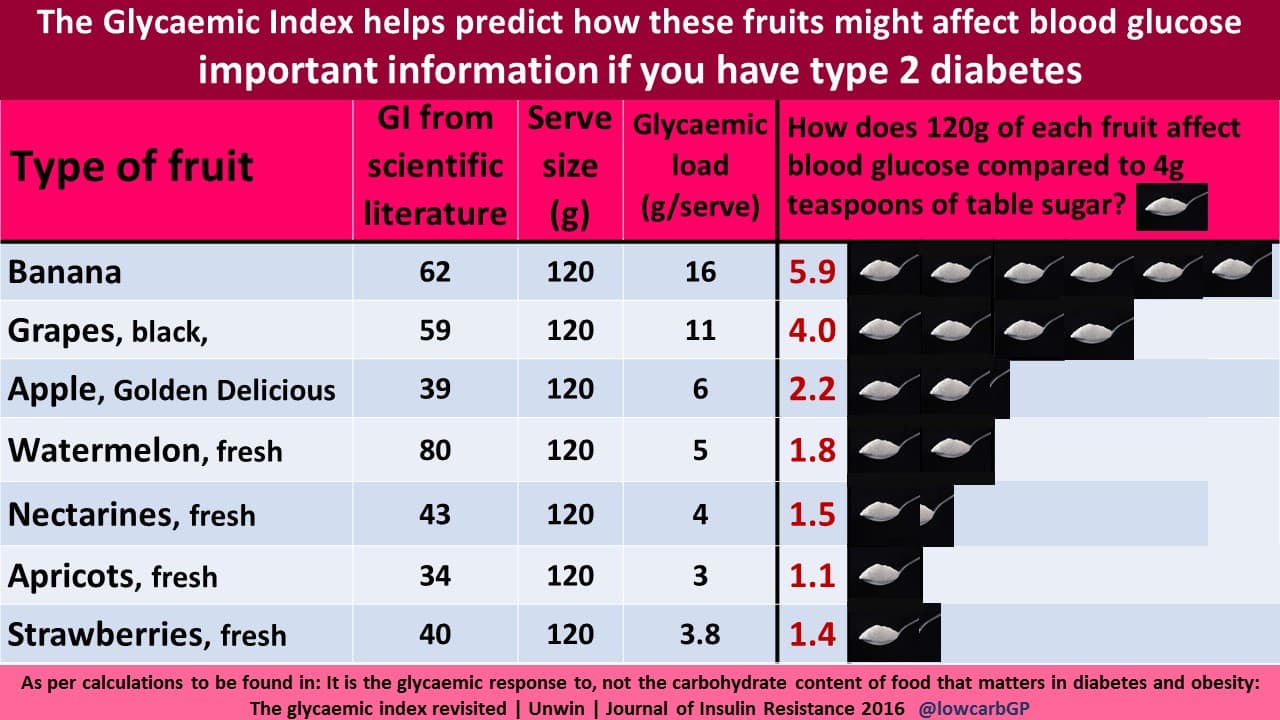
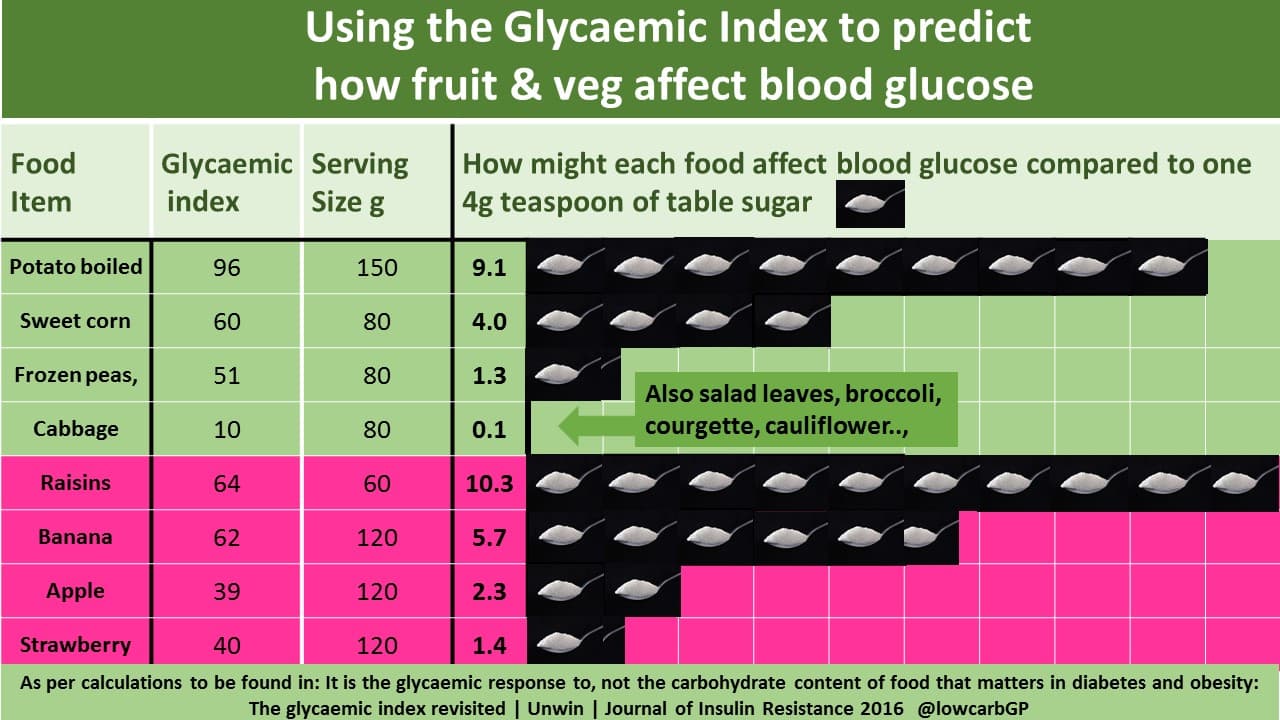
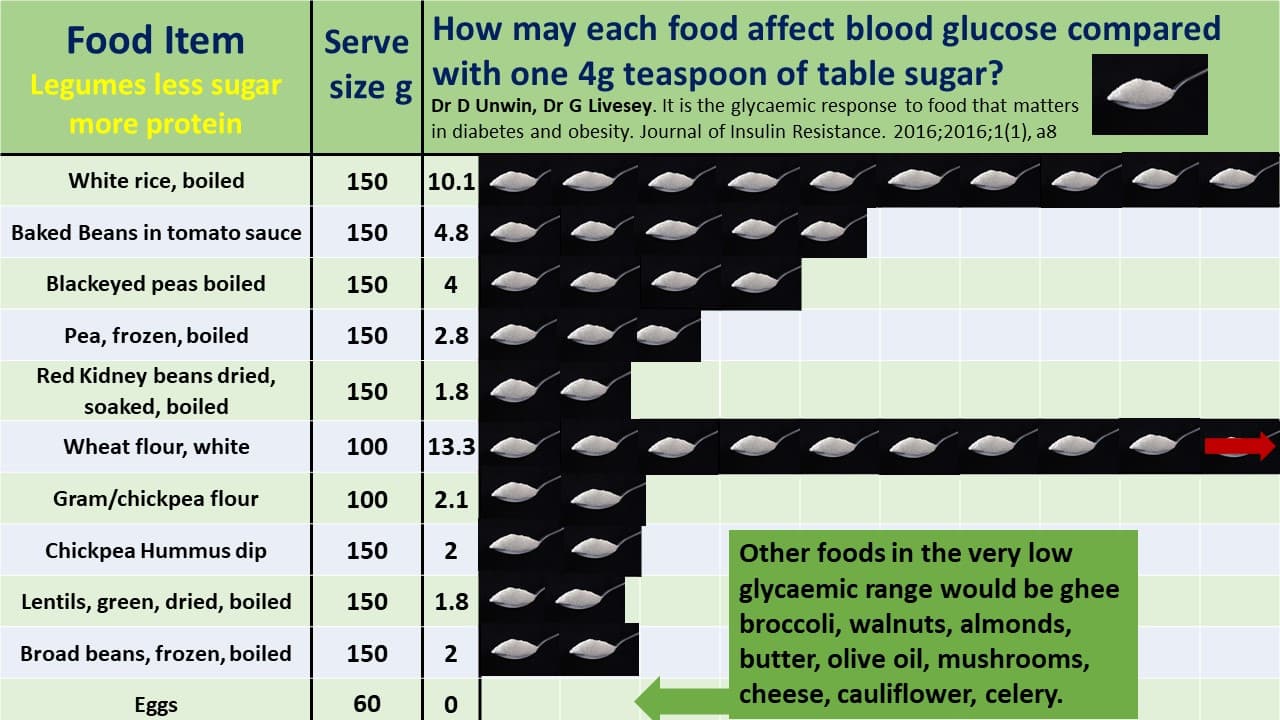
Dr David Unwin's sugar infographics
Low Carb GP Dr David Unwin has produced practical infographics showing how typical portions of common foods can create a surprisingly large blood glucose effect, often illustrated as teaspoons of sugar.
What is individualized
Target carbohydrate ranges should match medication use, diabetes severity, kidney status, and patient preferences.
Monitoring
Track fasting glucose, post-meal response, blood pressure, and subjective satiety. Adjust progressively instead of making abrupt unsupervised changes.
References
- Efficacy and safety of low and very low carbohydrate diets for type 2 diabetes remission: systematic review and meta-analysis of published and unpublished randomized trial data (BMJ (2021);372:m4743) Link
- Nutrition Therapy for Adults With Diabetes or Prediabetes: A Consensus Report (Diabetes Care (2019);42(5):731-754) Link
- Diabetes Canada Position Statement on Low-Carbohydrate Diets for Adults With Diabetes: A Rapid Review (Canadian Journal of Diabetes (2020);44(4):295-299) Link
- A very low-carbohydrate, low-saturated fat diet for type 2 diabetes management: a randomized trial (Diabetes Care (2014);37(11):2909-2918) Link
- Comparison of low- and high-carbohydrate diets for type 2 diabetes management: a randomized trial (American Journal of Clinical Nutrition (2015);102(4):780-790) Link
- Effects of a Low-Carbohydrate Dietary Intervention on Hemoglobin A1c: A Randomized Clinical Trial (JAMA Network Open (2022);5(10):e2238645) Link
- The effect of a low-carbohydrate, ketogenic diet versus a low-glycemic index diet on glycemic control in type 2 diabetes mellitus (Nutrition & Metabolism (2008);5:36) Link
- Weight loss with a low-carbohydrate, Mediterranean, or low-fat diet (DIRECT) (New England Journal of Medicine (2008);359:229-241) Link
- Effects of low-carbohydrate and low-fat diets: a randomized trial (Annals of Internal Medicine (2014);161(5):309-318) Link
- Effects of low-carbohydrate vs low-fat diets on weight loss and cardiovascular risk factors: a meta-analysis of randomized controlled trials (Archives of Internal Medicine (2006);166(3):285-293) Link
- Effects of low-carbohydrate diets v. low-fat diets on body weight and cardiovascular risk factors: a meta-analysis of randomised controlled trials (British Journal of Nutrition (2016);115(3):466-479) Link
- Effect of Low-Fat vs Low-Carbohydrate Diet on 12-Month Weight Loss in Overweight Adults and the Association With Genotype Pattern or Insulin Secretion (DIETFITS) (JAMA (2018);319(7):667-679) Link
- Comparison of the Atkins, Zone, Ornish, and LEARN Diets for Change in Weight and Related Risk Factors Among Overweight Premenopausal Women (A TO Z) (JAMA (2007);297(9):969-977) Link
- Effect of low glycaemic index or load dietary patterns on glycaemic control and cardiometabolic risk factors in diabetes: systematic review and meta-analysis of randomised controlled trials (BMJ (2021);374:n1651) Link
- Nutrition recommendations and interventions for diabetes: a position statement of the American Diabetes Association (Diabetes Care (2008);31(Suppl 1):S61-S78) Link
- Ultra-Processed Diets Cause Excess Calorie Intake and Weight Gain: An Inpatient Randomized Controlled Trial of Ad Libitum Food Intake (Cell Metabolism (2019);30(1):67-77.e3) Link
- Dietary strategies for improving post-prandial glucose, lipids, inflammation, and cardiovascular health (Journal of the American College of Cardiology (2008);51(3):249-255) Link
- Low fat diet versus low carbohydrate diet for management of non-alcohol fatty liver disease: A systematic review (Frontiers in Nutrition (2022);9:987921) Link
- Short-term weight loss and hepatic triglyceride reduction: evidence of a metabolic advantage with dietary carbohydrate restriction (American Journal of Clinical Nutrition (2011);93(5):1048-1052) Link
- Ketogenic diets for drug-resistant epilepsy (Cochrane Database of Systematic Reviews (2020);6:CD001903) Link
- Review of current evidence and clinical recommendations on the effects of low-carbohydrate and very-low-carbohydrate (including ketogenic) diets for the management of body weight and other cardiometabolic risk factors: A scientific statement from the National Lipid Association Nutrition and Lifestyle Task Force (Journal of Clinical Lipidology (2019);13(5):689-711.e1) Link
- Expert consensus on nutrition and lower-carbohydrate diets: An evidence- and equity-based approach to dietary guidance (Frontiers in Nutrition (2024);11:1376098) Link